Recreational Drug & Alcohol Policy

Information regarding ESNZ’s Drug and Alcohol policy.

ESNZ has chosen to adopt the attached Drug and Alcohol policy, after a consultation and approval process within our members and stakeholders, legal advisors and the FEI.   All members – riders, officials and staff – will be bound by this policy while at ESNZ-run events and activities.  Policy updated in 2025
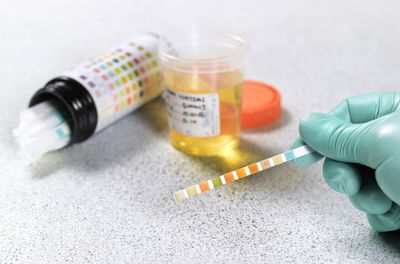
Recreational Drug and Alcohol Policy

This Recreational Drug and Alcohol policy has had input from our legal advisors Gibson Sheat, the FEI (Athletes Services & Human Anti-Doping department), both of whom have provided valuable input into it along with New Zealand’s premiere drug and alcohol risk assessment agency.

The programme will be funded by ESNZ with event testing chosen (randomly) by ESNZ and contracted agencies initially used for testing – similar to how the national equine testing programme works.  The ESNZ Recreational Drug and Alcohol policy and programme will be run independently from the Sport Integrity Commission’s programme, however, the two may also run alongside from time to time.

Because we can’t test at every event, OCs may wish to have their event tested, using an approved agency, at their own cost, if it is not already part of the programme. Any OC wishing to do this should contact the Community Manager for Horse and Human wellbeing at ESNZ in the first instance for advice and for access to approved drug detection agencies.
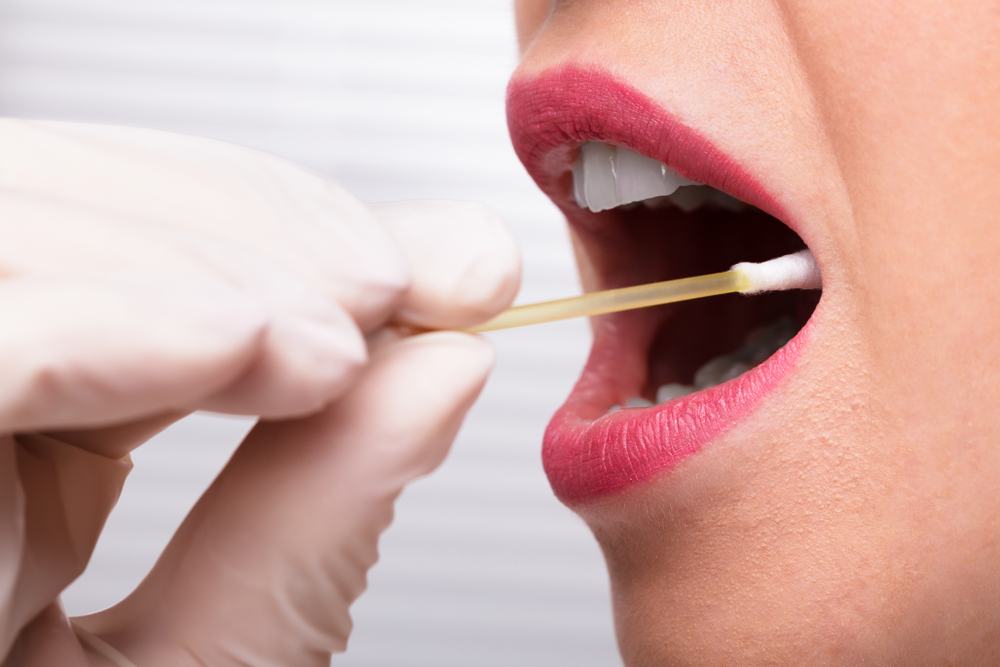
Recreational Drugs: What Riders Need to Know

Whether you’re competing, training, or just enjoying the sport, your body and mind are your greatest assets. Recreational drugs like cocaine, methamphetamine, cannabis, and MDMA can seriously affect your health, performance, and future in equestrian sport.

🧪 How Long Do Drugs Stay in Your System?

Drug Urine Detection Blood Hair Saliva
Cocaine 2–4 days 12–48 hrs Up to 90 days 1–2 days
Methamphetamine 3–7 days 1–3 days Up to 90 days 1–4 days
Cannabis 1–30+ days (varies by use) 1–2 days Up to 90 days 1–3 days
MDMA (Ecstasy) 1–3 days 1–2 days Up to 90 days 1–2 days

Note: Detection times vary based on frequency of use, metabolism, and test type.

⚠️ Short-Term Effects

  • Cocaine: Rapid heartbeat, anxiety, aggression, impaired judgment

  • Meth: Hyperactivity, paranoia, insomnia, dehydration

  • Cannabis: Memory loss, poor coordination, slowed reaction time

  • MDMA: Dehydration, confusion, emotional crashes

These effects can impair riding ability, increase risk of injury, and affect decision-making.

🧠 Long-Term Consequences

  • Mental health: Depression, anxiety, psychosis, addiction

  • Physical health: Heart damage, weight loss, dental issues, liver/kidney stress

  • Performance: Reduced stamina, poor focus, slower recovery

  • Legal & career risks: Failed drug tests, suspension, loss of sponsorship or team selection

🏇 Why It Matters in Equestrian Sport

  • The Sport Integrity Commission and the FEI enforce strict anti-doping rules

  • Even recreational use can result in positive tests, sanctions, or bans

  • Riders are role models—your choices affect your reputation and future

💬 Seeking Help: You’re Not Alone

If you’re struggling with drug use, feeling pressured, or just unsure about your choices—help is available, and it’s confidential.

🧭 Where to Start

Talk to someone you trust: A coach, parent, mentor, or peer can be a great first step.

Reach out to a support service:

📞 Youthline: 0800 376 633 or free text 234

📞 1737 Need to Talk?: Free call or text 1737 for support from trained counsellors

🌐 NZ Drug Foundation – Working with Young People

🌐 Sport Integrity Commission Te Kahu Raunui – for concerns about doping, safety, or integrity in sport

🛡️ What Happens When You Ask for Help?
You’ll be listened to without judgment

You won’t be forced into anything

You’ll get tools and support to make safer choices

Everything is confidential unless there’s a serious safety concern

🧠 Remember:
You’re not weak for asking for help—you’re strong for taking control

Most people who seek help wish they’d done it sooner

You deserve to feel safe, supported, and proud of your choices

How Testing Works

We recommend that you familiarise yourself with how Drug and Alcohol testing is carried out, in the event that you may get tested.
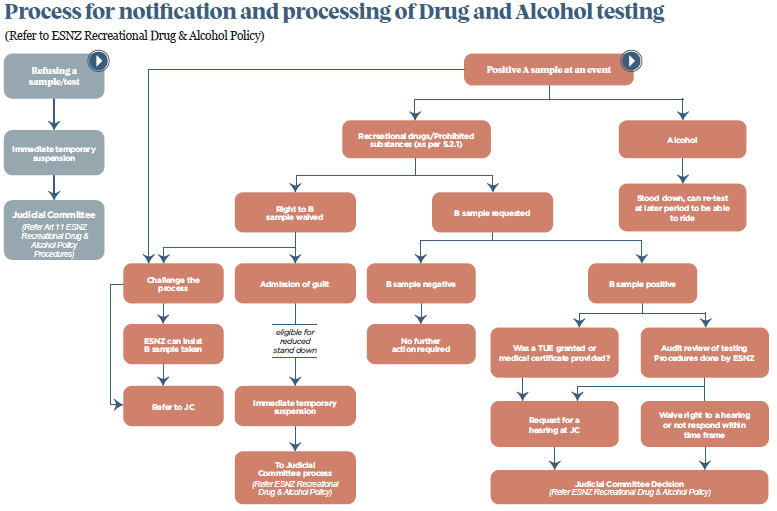
What are the consequences of a positive drug test?
Can I refuse to give a sample/be tested?

Download a copy of our process document which maps out what happens in the event of a positive drug test and also if a drug test is refused.
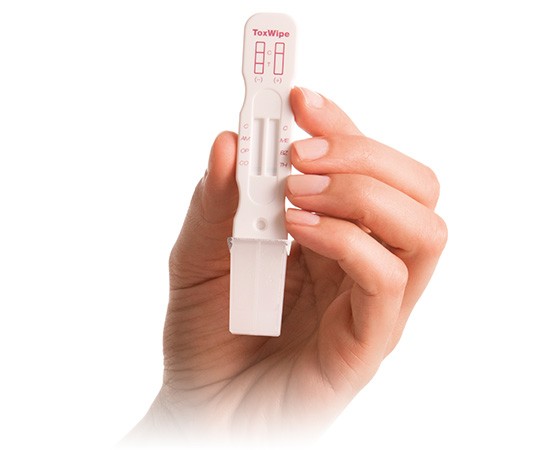
Results for ESNZ Recreational Drug and Alcohol Testing

Frequently Asked Questions

Why does ESNZ need a Drug and Alcohol policy?

How is drug testing done?

What drugs are tested for?

How does random drug testing work?

Who decides what events will be tested by ESNZ?

What do I do if I suspect someone is under the influence?

Is synthetic cannabis covered by the policy?

What is the difference between saliva testing and urine testing?

What if I am taking over-the-counter or prescription medication?

I am worried that my result will be positive because I sat in a room where people were smoking marijuana.

Are alcohol testing records confidential?